
Love as Shelter and Wound
Gone for GoodThis thread explores how love motivates loyalty and protection but can also fuel concealment, possessiveness, and violence.
increasing Bearing strength in each event
 decreasing
Bearing strength in each eventdecreasingKen as Will’s Protector
The Older Brother’s Shield
A Childhood Ideal
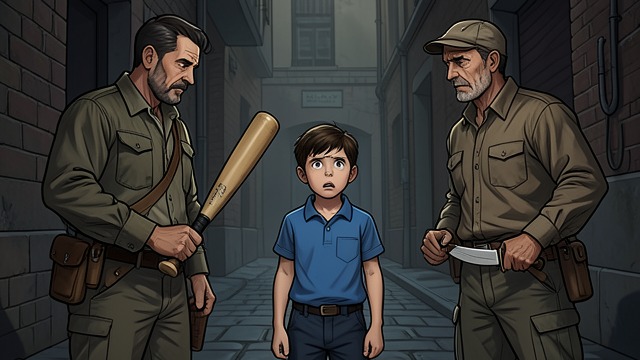
Will remembers Ken as brave and physically fearless, the older brother who stepped between him and danger. In Will’s memory, that protection becomes more than a series of childhood acts: it is the foundation of his belief that Ken could not have murdered Julie.
Will also remembers his own fear and shame. When threatened, he called for Ken rather than fighting back, and Ken answered. Their different temperaments make Will’s dependence feel both comforting and embarrassing.
The Cost of an Ideal
The bond shapes Will’s adult loyalty even when he knows Ken was involved in criminal activity. He treats his brother’s protective history as evidence of a moral character that later events may contradict.
As the truth emerges, Will has to distinguish the brother who protected him from the man who committed violence. Their love does not make Ken innocent; it makes the truth harder to face and more necessary to face honestly.
A Love That Does Not Know the Past

Intimacy Under a Borrowed Name
The Relationship Will Believes In
Will experiences his relationship with Sheila as a rare, deep attachment. They share humor, quiet routines, dancing, and a sense that their life together can grow into a lasting partnership.
Sheila’s refusal to discuss her past troubles him at times, but he respects the boundary and imagines that they are building a life unburdened by earlier relationships. Their intimacy is genuine even though the identity beneath it remains concealed.
Love After the Revelation
When Will learns that his partner is Nora Spring and that she has hidden her name, her history, and her connection to Ken, the relationship faces the possibility that everything was a deception. Nora explains that she came to New York partly because she already felt drawn to Will through Ken’s stories.
Will chooses to continue loving her without pretending the concealment does not matter. Their reunion suggests that trust may be rebuilt, but only through a truth more complete than the one that first brought them together.
A Mother’s Protective Silence
Love Kept in Secret
A Family’s Hope
Sunny tells Will that Ken is alive and that he did not kill Julie. She does not have time or strength to explain how she knows, and the family has spent years believing Ken dead or lost beyond reach.
Her words reveal a mother’s continuing attachment to a son the world has condemned. Yet the secret has consequences: what Sunny knows is withheld from Will and his father, leaving each of them to grieve and interpret Ken’s absence differently.
A Message Delivered by Another
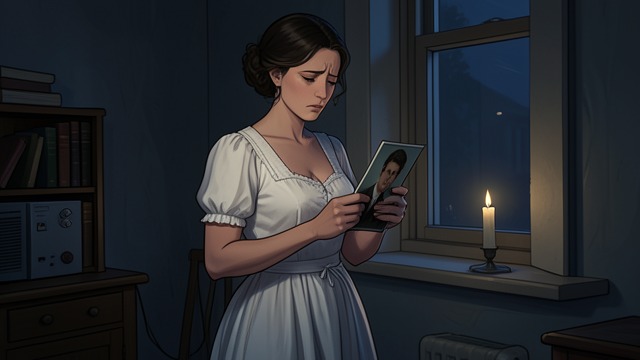
Nora eventually explains that she gave Sunny a photograph of Ken so she could believe her son was alive. Nora had broken her promise to Ken because she thought Sunny deserved comfort and the truth before she died.
The act is loving, but it also shows that protection and concealment can become difficult to separate. A photograph gives Sunny reassurance without bringing Ken home or resolving what he has done.
Love Turned Into Possession
Affection Under Pressure
Shared Danger
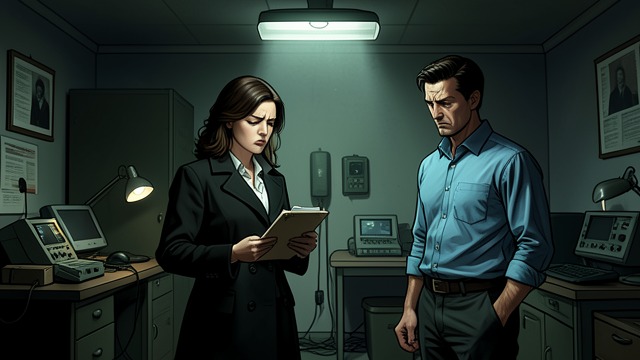
Julie agrees to help Ken gather evidence against Philip McGuane, and their history as former lovers complicates their cooperation. They meet in her family home as the plan approaches its climax, bound by shared danger as well as affection.
Ken’s account initially frames the meeting as a moment of closeness interrupted by an attack. Katy later reveals that Julie had refused to give him the evidence because she would not help him frame John Asselta for another murder.
The Destructive Turn
Katy says Ken strangled Julie when he discovered she had warned the Ghost and withheld the files. Whatever affection existed between them could not protect Julie from Ken’s demand that she choose his plan over her own judgment.
The murder exposes the danger of treating love, shared history, or loyalty as a claim to another person’s obedience. Ken’s attachment does not excuse the violence; it makes the betrayal more intimate and devastating.
Protection Without Excuse
Caring for What Remains
A Brother’s Last Request
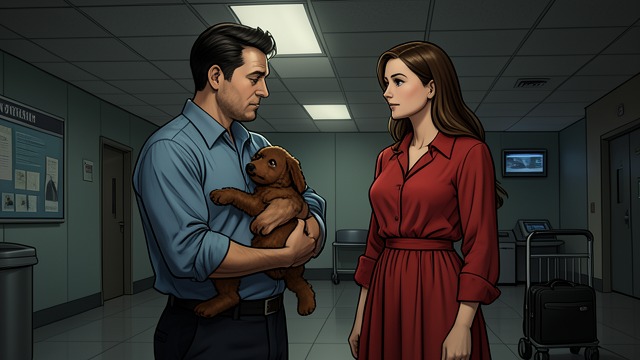
Ken tells Will to raise Carly with Nora and asks him not to let the child visit him in prison. His request is shaped by love and guilt, but it also places an enormous burden on Will and makes a decision about Carly’s future on her behalf.
Will promises, even as he is struggling to reconcile Ken’s love for his daughter with the crimes he has committed. He does not mistake Ken’s fatherly concern for innocence; both affection and responsibility remain real.
Toward a Different Future
When Carly arrives, Will turns toward her and Nora rather than back toward the brother who has been taken away. He cannot restore Julie, give Carly her mother, or undo the years Ken spent in hiding.
He can, however, offer the child a home shaped by honesty and care. The ending leaves love neither as a cure for harm nor as an excuse for it, but as a responsibility to protect someone vulnerable without denying what happened.
During Will and Ken’s childhood
During Will and Nora’s relationship in New York
During Sunny’s final illness
The night Ken kills Julie
At the airport after the final revelations
